Bpc 157 Tissue Repair What is BPC-157 and How Can It Benefit You?
What Is BPC-157—and How Can It Support Your Tissue Repair?
If you’ve ever had a tendon, ligament, or gut-related injury linger far longer than expected, you already know how frustrating “time” can be as the only treatment. In my hands-on work advising people through rehab plans and recovery routines, I’ve seen the same pattern: the more you understand bpc 157 tissue repair and what it’s aimed to influence, the better you can make informed decisions about timing, expectations, and risk.
In this guide, I’ll explain what BPC-157 is, the mechanisms people associate with it, what outcomes it may help with, and the practical considerations you should know before using it for tissue repair goals.
What BPC-157 Actually Is
BPC-157 (often written as “BPC 157”) is a synthetic peptide that is commonly discussed in the context of healing and recovery. The name is associated with a short sequence of amino acids designed to mimic—or at least interact with—biological pathways that have been linked to tissue regeneration and repair.
Why it gets discussed for tissue repair
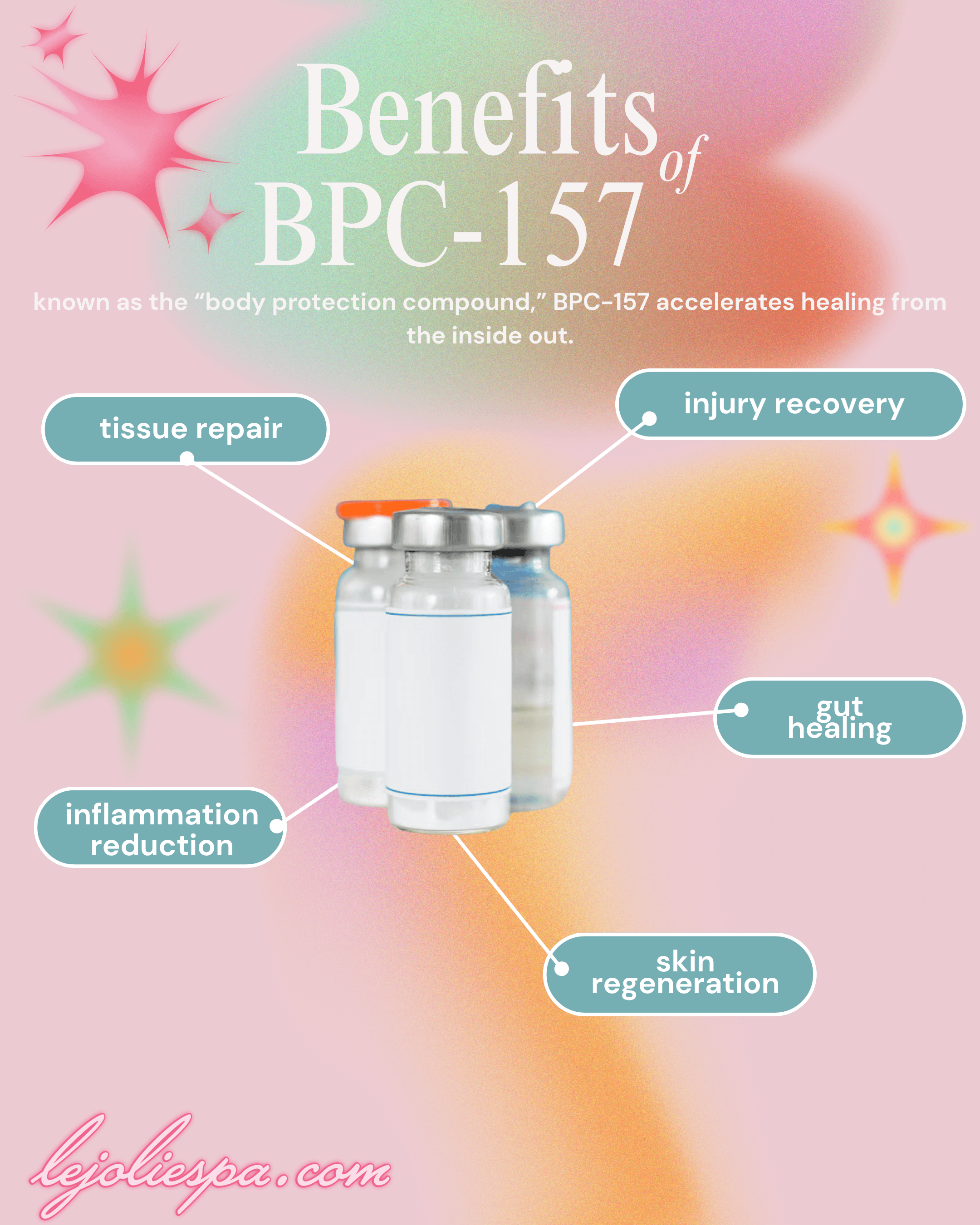
When people search for bpc 157 tissue repair, they’re usually looking for support in areas like:
- Soft-tissue recovery (tendons/ligaments)
- Inflammation-related setbacks during rehab
- Support for gut and mucosal lining (a category many peptide users focus on)
Important context from my experience: the term “tissue repair” is broad. In real rehab work, you care about whether the goal is reducing pain enough to move safely, restoring range of motion, improving tolerance to load, or speeding up the timeline before stiffness returns. Peptides are talked about as a potential lever in that process, but they’re not a substitute for structured rehab, adequate nutrition, and appropriate medical care.
How BPC-157 Is Thought to Work (Mechanisms in Plain Language)
Mechanism discussions matter because they determine what outcomes are plausible—and what isn’t. While BPC-157 is widely discussed online, the way it’s described typically centers on several overlapping themes in healing biology.
1) Signaling pathways related to healing
People associate BPC-157 with interactions that may influence cellular behaviors linked to repair. In practical terms, that translates to the type of effects people hope for during recovery: better rebuilding, improved recovery of damaged tissues, and reduced delays that can come from sustained inflammation.
2) Vascular and microenvironment support
Healing depends on more than just “new tissue.” It relies on local conditions—blood flow, nutrient availability, and the right cellular environment to transition from inflammation to repair. When users talk about bpc 157 tissue repair, they often mean support for that shift.
3) Mucosal and gastrointestinal focus
A sizable portion of community interest is in gut-related healing—often described as support for the mucosal lining. In my consulting conversations, people often bring up BPC-157 in the same breath as recovery from discomfort that affects appetite, sleep, or training consistency—because gut issues can indirectly slow overall recovery.
Where you should stay grounded: most mechanistic explanations are based on preclinical discussions and interpretation. That’s why it’s smart to treat BPC-157 as a “hypothesis-driven” support topic rather than a guaranteed medical solution.
Potential Benefits for Tissue Repair: What People Commonly Aim For
Based on patterns I’ve observed across user reports and coaching sessions (and the way these goals show up in community questions), people commonly aim for:
- Reduced time-to-functional recovery: getting back to training or daily movement with less setback.
- Support during tendon/ligament rehab: especially when recovery stalls due to persistent irritation or inflammation.
- Support for discomfort-driven recovery limits: when pain or gut distress disrupts sleep, consistency, or adherence to rehab.
A realistic view of “benefit”
In practice, the most useful outcome isn’t always “faster healing of everything.” It’s often:
- you regain mobility sooner,
- your rehab feels more tolerable,
- you can progress load without the same level of flare-ups,
- and your overall recovery schedule stays on track.
That’s different from a promise to “cure” an injury. If you remember that distinction, you’ll make better decisions and set fair expectations.
Practical Considerations Before Using BPC-157
Here’s where I’ll be direct: the biggest real-world risks aren’t only biological—they’re also logistical and decision-related. If you’re considering bpc 157 tissue repair support, focus on these practical areas first.
1) Quality and sourcing matter
Peptides are often sold through supplement-like channels, and quality can vary. In my experience, the difference between “something that helps” and “something that does nothing” is sometimes just product consistency—purity, stability, and accurate labeling. If you can’t verify quality, it’s hard to interpret results.
2) Your injury plan must come first
BPC-157 (or any tissue-repair strategy) works best as an accessory to a rehab plan. Before adding anything, I recommend you have:
- clear diagnosis (or at least a good working understanding of tissue type),
- progressive loading plan (not just rest),
- pain rules for progression, and
- basic recovery fundamentals (sleep, protein, hydration, and managing inflammation triggers).
3) Track outcomes the way a clinician would
Subjective impressions (“I feel better”) are useful, but I’ve found people get more value by tracking measurable signals such as:
- range of motion milestones,
- pain during specific movements on a consistent scale,
- ability to tolerate weight/load without flare-ups,
- training volume consistency week over week.
4) Consider legal and health guidance
Regulations and medical guidance vary by jurisdiction and condition. If you have a serious injury, ongoing symptoms, or medical comorbidities, it’s sensible to involve a qualified healthcare professional. I’ve seen too many cases where people chase supplements while the underlying issue needed targeted evaluation.
Common Questions People Ask About BPC-157 Tissue Repair
Before the FAQ, one more point from experience: if you’re expecting dramatic, immediate results, you may be disappointed. Most tissue repair journeys are gradual. Your best leverage is combining supportive strategies with a thoughtful rehab timeline and realistic checkpoints.
FAQ
Is BPC-157 only for tissue repair injuries?
No. While the phrase bpc 157 tissue repair is common in the injury context, many people also discuss BPC-157 for gastrointestinal or mucosal support. In either case, the most dependable approach is to treat it as a support option alongside proper care, not as a standalone treatment.
How long does it take to see results?
There isn’t one universal timeline. In my hands-on observations, recovery timelines depend heavily on injury type, severity, your rehab adherence, and whether you’re still aggravating the tissue. If you don’t track functional milestones (range of motion, load tolerance, pain response), it’s easy to misread progress.
What’s the safest way to approach BPC-157 for healing goals?
The safest approach is: prioritize diagnosis and a progressive rehab plan, only consider reputable-quality products, track measurable outcomes, and involve a qualified healthcare professional—especially if you have complex symptoms or medical conditions.
Conclusion: A Smart, Measured Next Step for Tissue Repair Goals
BPC-157 is widely discussed in the context of bpc 157 tissue repair due to its association with biological pathways related to healing and recovery support. The value for you comes from using it thoughtfully—aligned with a real rehab plan, quality-minded sourcing, and outcome tracking that mirrors how clinicians evaluate progress.
Next step: Choose one tissue-repair goal you can measure (e.g., range of motion at a specific movement or load tolerance at a consistent exercise) and set a 2–4 week checkpoint plan—then decide whether BPC-157 fits your overall strategy based on quality, guidance, and realistic expectations.
Discussion